The National Glass Association just carved out a curated showcase inside GlassBuild America 2026 for AI, robotics, next-gen platforms, and sustainability. Here's what the Innovation Lounge signals about where the fenestration industry is placing its bets.
A New Format for a Changing Show Floor
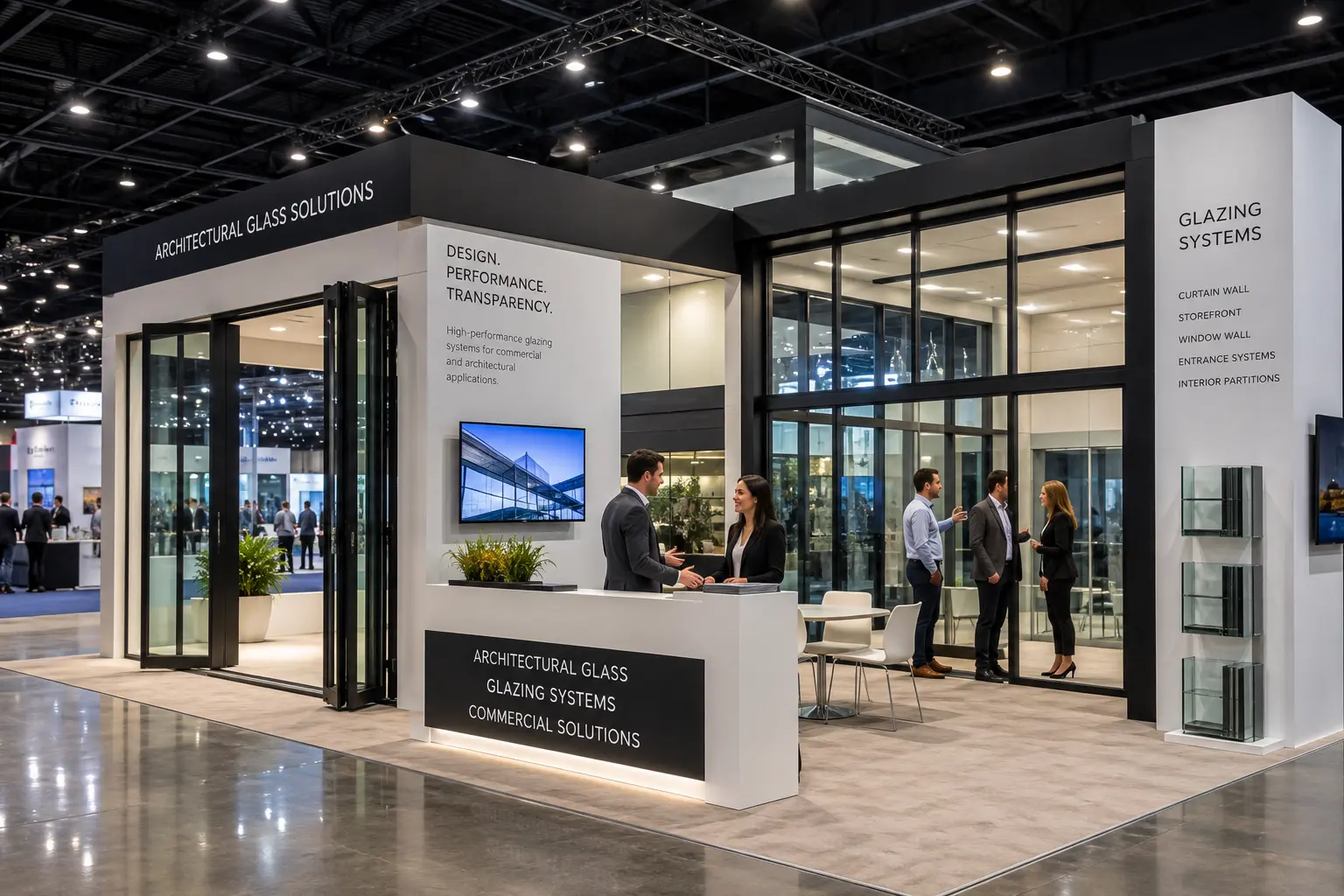
When the glass, window, and door industry converges on the Las Vegas Convention Center this September, it will find something new waiting in the West Hall. On August 13, the National Glass Association announced the launch of the inaugural Innovation Lounge at GlassBuild America 2026, taking place September 23–25 in Las Vegas — a curated showcase designed to bring together transformative technologies reshaping the built environment.
The lounge is not a rebranded new-products aisle. It spotlights cutting-edge advancements across artificial intelligence, architectural glass, robotics, next-generation technology platforms, and sustainability — the five categories that have quietly reorganized how architects, glazing contractors, and fabricators talk about competitive advantage over the past 24 months.
What's Actually Being Showcased
NGA has previewed a handful of exhibitors already lining up for the space. Highlights include the latest advances in architectural glass — from ultra-thin flexible panels and dynamic electrochromic glazing to structural glass innovations and next-generation interlayers redefining what's possible in modern facades, interiors, and public spaces — along with FHC's multi-patented Hydraulic Series Shower Hinge, which brings true hydraulic closing to a standard hinge design.
The mix matters. Ultra-thin glass is the enabling substrate for the multi-cavity IGUs and vacuum insulating units that are now clearing safety-glazing standards and structural silicone approvals. Dynamic electrochromic glazing has spent a decade fighting for a mainstream spec slot. Robotics and AI are quietly moving from the fabrication floor into project workflows — takeoff, quality inspection, and even code-compliance checking.
Why the Innovation Lounge Is a Signal, Not Just a Booth
Trade-show real estate is expensive, and NGA doesn't hand it out without a reason. The Innovation Lounge is one of several new additions to GlassBuild America 2026, reflecting the show's continued growth as the industry's premier destination for innovation, education, and connection. Translation: the association is betting that architects, GCs, and building envelope consultants want a filtered signal in a very noisy market.
That matters for three reasons:
- Specification pressure is compounding. Energy codes are tightening, embodied-carbon disclosure is moving from voluntary to contractual, and bird-friendly and safety-glazing standards keep expanding. Specifiers need a fast way to see which technologies are actually ready for spec sheets versus which are still lab-stage.
- AI and robotics are no longer adjacent industries. They are reshaping estimating, shop-floor quality, installation sequencing, and even facade design optimization. A dedicated venue puts these tools in front of principals who don't typically walk fabrication booths.
- Sustainability is now a procurement gate. EPDs, low-carbon float, carbon capture, and vacuum IGUs are all converging into a single conversation about how a building envelope contributes — or doesn't — to Scope 3 targets.
Practical Implications for Architects and Contractors
For architects and specifiers, the Innovation Lounge is worth a targeted half-day. The categories NGA has curated map almost one-to-one to the pain points showing up in current specifications: dynamic solar control, thinner and lighter IGUs for retrofit, and interlayer chemistry that unlocks new structural and acoustic performance.
For glazing contractors and fabricators, the robotics and AI content is the story. Labor constraints and margin compression are pushing every serious shop toward automated inspection, digital takeoff, and machine-learning-assisted scheduling. Seeing these tools in a single, filtered space compresses months of vendor evaluation.
For building product manufacturers, the lounge sets a bar. Products displayed there will carry an implicit NGA imprimatur going into 2027 spec cycles, and competitors not represented will have to work harder to explain why.
The Broader Context
GlassBuild's expanded programming — including a first-ever Keynote Theater featuring Daymond John as the kickoff keynote — reflects a show trying to expand beyond its traditional fabricator-installer audience and into the architect, GC, and owner-rep community. The program also covers glazing, fabrication, fenestration, economic forecasts, innovation, sustainability, robotics, and artificial intelligence.
Whether the Innovation Lounge becomes a permanent fixture or a one-year experiment will depend on booth traffic and post-show specification activity. Either way, its debut in Las Vegas confirms what the past year of product launches has already suggested: the fenestration industry has stopped treating AI, robotics, and vacuum-insulated glass as future problems and started specifying them.