
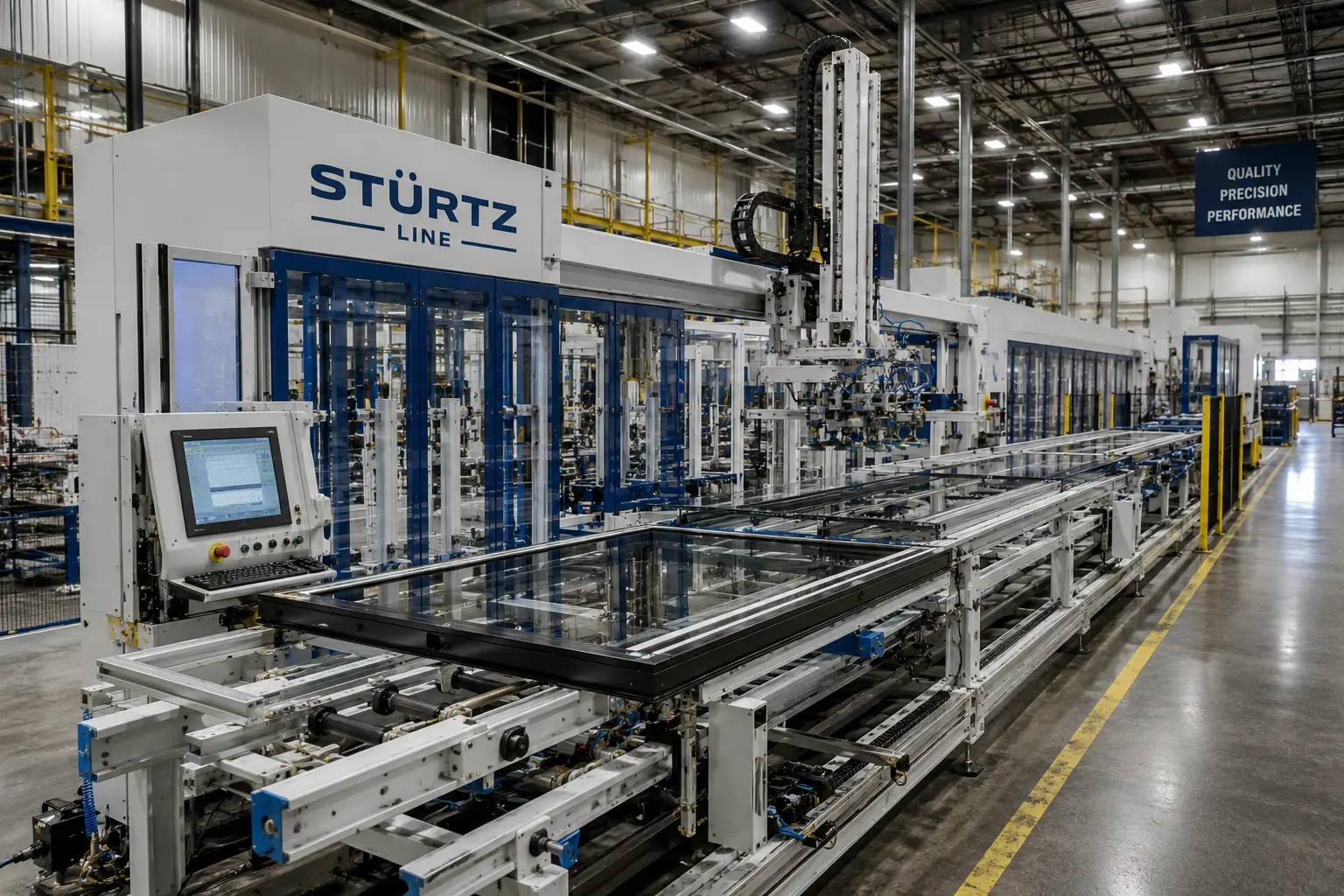
Pella's October 1 Intelligent Operations announcement moves beyond pilot projects, linking AGVs, robotic painting, computer vision, and voice-guided work across four production lines. For specifiers chasing custom windows and doors, that's a signal that mass customization is finally catching up to spec-sheet complexity.
A manufacturing story that's actually a lead-time story
On October 1, Pella Corporation announced the next phase of what it calls Intelligent Operations — a connected manufacturing model that stitches together automation, data, and digital tools across its made-to-order window and door production. The announcement, timed to Manufacturing Month, is less about any single new machine and more about how previously siloed technologies now operate as a system.
For architects and contractors, that distinction matters. The number of possible configurations on a Pella order runs into the thousands, and the company frames the core problem bluntly: how do you deliver made-to-order windows and doors with extensive customer choice while making increasingly complex work easier for the people on the line? Pella's answer is a connected stack rather than one-off automation projects.
What's actually running on the floor
The press release and supporting coverage identify several specific deployments now operating together:
- Automated guided vehicles at scale. Pella has deployed 35 AGVs across four production lines to move made-to-order products through manufacturing. The company reports the system has contributed to an approximately 80% reduction in material-handling damage, with door panels that can weigh as much as 300 pounds no longer requiring repeated manual handling.
- Robotic painting with real range. A horizontal robotic paint system can adjust across more than 11,000 custom colors and 300-plus product profiles, automating a physically demanding process while preserving the finish options customers specify.
- Workstations that recognize the operator. Stations identify individual team members and adjust to their height and language preference, while digital routing moves each made-to-order product to the specific work areas required for its configuration.
- Connected digital tools. Voice-guided work, computer vision, and production information operate together so instructions and quality checks follow the specific product through the line rather than existing as separate tools.
Pella's broader program context is relevant here: the company has previously been named a finalist in the 2026 Manufacturing Leadership Awards, including recognition for replacing a traditional patio-door assembly line with a flexible, cell-based system powered by autonomous guided vehicles and connected digital tools — a transformation that reportedly improved product quality by 30 percent, increased labor productivity by 25 percent, and enhanced on-time delivery.
Why specifiers and GCs should care
For the design and construction side, three practical implications stand out.
1. Custom orders should behave more like standard orders. The historical trade-off in made-to-order fenestration has been simple: the more you customize sizes, hardware, glass packages, and finishes, the longer and riskier the lead time. A connected system where each unit carries its own digital work instructions through every station narrows that gap. For project schedulers staging window deliveries against drywall and envelope sequencing, that's meaningful.
2. Damage rework should drop out of the critical path. An 80% reduction in material-handling damage, if it translates downstream, means fewer DOA units at the jobsite and fewer last-minute reorders. On commercial projects with tight punch-list windows, replacement-unit lead times have historically been the hidden cost of "minor" shipping damage.
3. Finish and configuration choice is being preserved, not narrowed. It's worth noting what Pella is not doing: standardizing SKUs down to reduce complexity. The 11,000-color paint system and the configuration-aware workstations suggest the opposite — that the manufacturer is betting it can keep (or expand) its spec menu while automating around the complexity.
The industry signal
Pella isn't alone in this shift. The window and door category is quietly becoming one of the more interesting case studies in applied industrial AI: voice-to-pick, computer-vision QC, AGV material handling, and connected worker systems are all being deployed in parallel across the top-tier manufacturers. What's different about the October 1 announcement is the explicit framing of these as a connected system rather than individual pilots.
For building product manufacturers watching from adjacent categories — door hardware, glazing, sealants, frames — the message is that fenestration's largest players now treat the manufacturing stack as a competitive moat, not just a cost center. Spec sheets that assume long lead times for anything non-standard may be due for an update.