
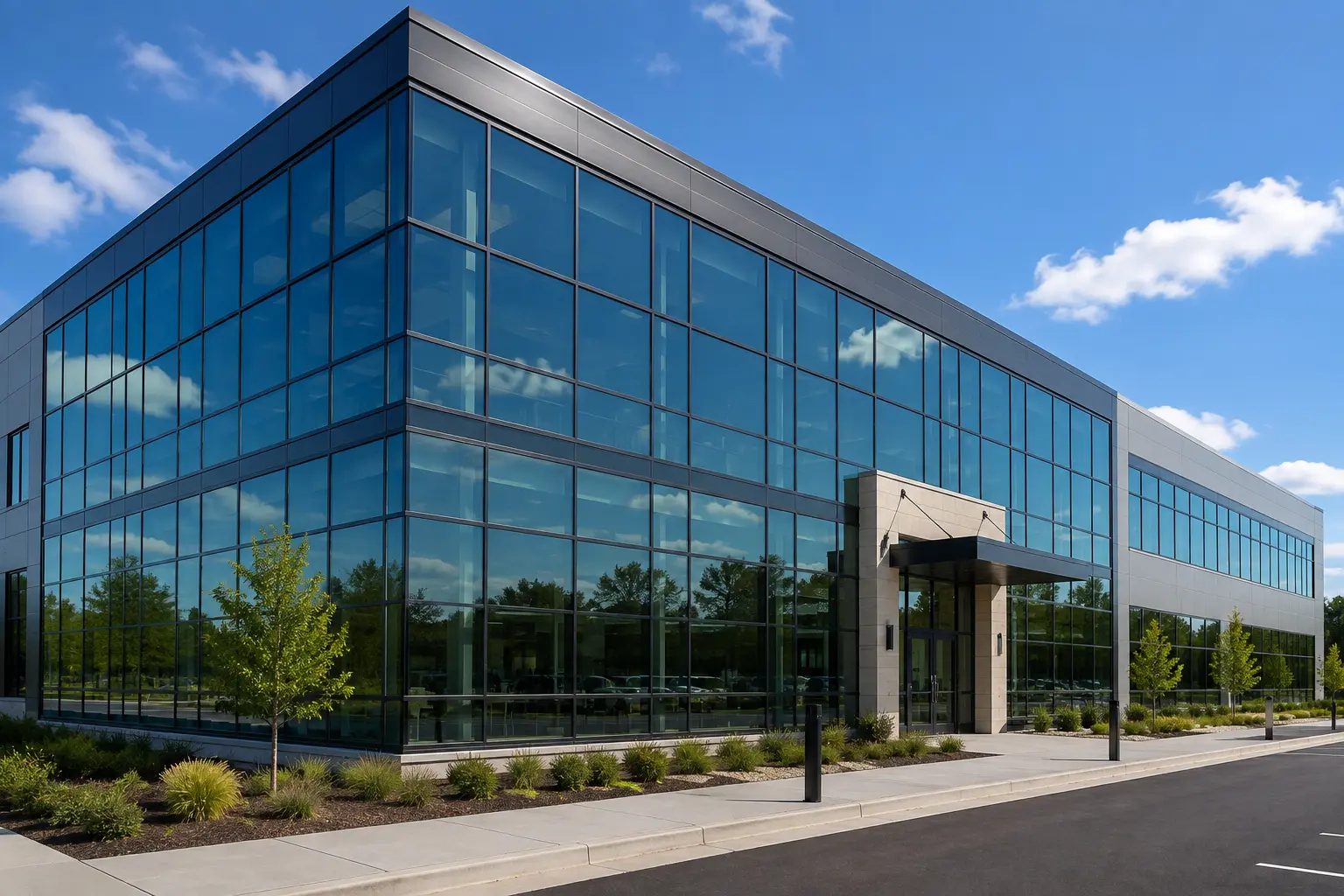
OBE's new Reliance StormMax Unit Wall is an HVHZ-approved, factory-assembled, pre-glazed curtain wall system aimed squarely at hurricane-prone commercial projects. Here's what the move means for architects, glaziers, and GCs working in Miami-Dade, the Gulf Coast, and beyond.
A Pre-Glazed Curtain Wall for the Hurricane Belt
On November 17, 2026, Oldcastle BuildingEnvelope (OBE) introduced the Reliance StormMax Unit Wall, a High Velocity Hurricane Zone (HVHZ)-approved curtain wall system designed for demanding coastal projects. The launch extends OBE's established StormMax storefront line into unitized curtain wall territory, and it signals a deliberate push by the manufacturer to consolidate its position in the Miami-Dade and Gulf Coast markets.
The headline change is where the work happens. By shifting key assembly and glazing processes into a controlled factory environment, the new StormMax curtain wall system arrives pre-glazed and ready for installation. For specifiers, that reframes the familiar trade-off between field-built stick systems and unitized assemblies in one of the hardest-to-build regions in North America.
System Specs Worth Noting
OBE published a tight set of technical parameters that specifiers can drop directly into early design coordination:
- HVHZ approved
- Factory-assembled and pre-glazed
- Maximum unit size: 60" (W) x 150" (H)
- Sightline: 2-1/2"
- System depth: 5-7/8"
- 2-sided or 4-sided structural silicone glazing (SSG)
The 2-1/2-inch sightline and 5-7/8-inch depth put the system in a familiar envelope for mid-rise commercial facades, while the availability of 2-sided or 4-sided SSG supports different façade conditions while reducing the amount of assembly and glazing required at the jobsite.
Why Factory Pre-Glazing Matters Right Now
Coastal curtain wall projects have historically been bottlenecked by two things: strict impact approvals and the labor required to glaze stick-built systems in the field, often at height and often inside tight storm-season schedules. OBE is explicitly pitching StormMax Unit Wall at that pain point. The company notes that architects and glaziers need façade systems that can move efficiently from specification and fabrication through installation and building dry-in, and the HVHZ-approved system is designed for demanding coastal projects.
For general contractors in Florida, Texas, and the Carolinas, the practical implications are concrete:
- Faster dry-in windows. Pre-glazed units reduce exposure to weather delays between frame installation and glazing.
- Lower field-labor demand. Fewer skilled glaziers needed on scaffold or swing stage, which matters in markets where certified HVHZ installers remain scarce.
- Tighter QA/QC. Factory-controlled sealant cure and glass setting reduce the risk of warranty issues on structurally glazed units that would otherwise be wet-glazed on site.
A Broader HVHZ Strategy at OBE
The StormMax Unit Wall is not a standalone product announcement. The release follows recent Miami-Dade County HVHZ certifications for CRL's TURBOFLEX and GRS Taper-Loc Glass Railing Systems, giving architects, glaziers, and contractors more options to meet stringent building requirements across curtain wall and glass railing applications in hurricane-prone markets. Taken together, OBE is assembling a hurricane-rated product stack that spans curtain wall, storefront, and guardrails — all under brands that already appear on most Southeast submittal packages.
That consolidation matters at the specification level. When a single supplier can cover the curtain wall, the entrance system, and the balcony or stair railing with HVHZ-approved, Miami-Dade NOA-eligible products, design teams reduce the number of third-party component interfaces they have to coordinate and the number of separate test reports they have to track.
What Architects and Specifiers Should Do Next
For teams with active or upcoming coastal projects, three near-term actions are worth taking:
- Request the HVHZ test documentation and NOA status for the Unit Wall configuration you're considering, especially if your project pressures exceed typical mid-rise values.
- Confirm unit size fit. The 60" x 150" maximum unit will cover most floor-to-floor commercial bays, but tall lobby curtain walls or atypical module widths may still require a stick-built or custom unitized solution.
- Coordinate with the glazing contractor early. Pre-glazed units change crane picks, laydown yard requirements, and sequencing — items better addressed during constructability review than after shop drawings are released.
OBE's move reflects a wider market shift: as HVHZ zones expand under updated codes and as coastal insurance pressure grows, pre-glazed, factory-tested unitized curtain walls are becoming the default rather than the premium option.