
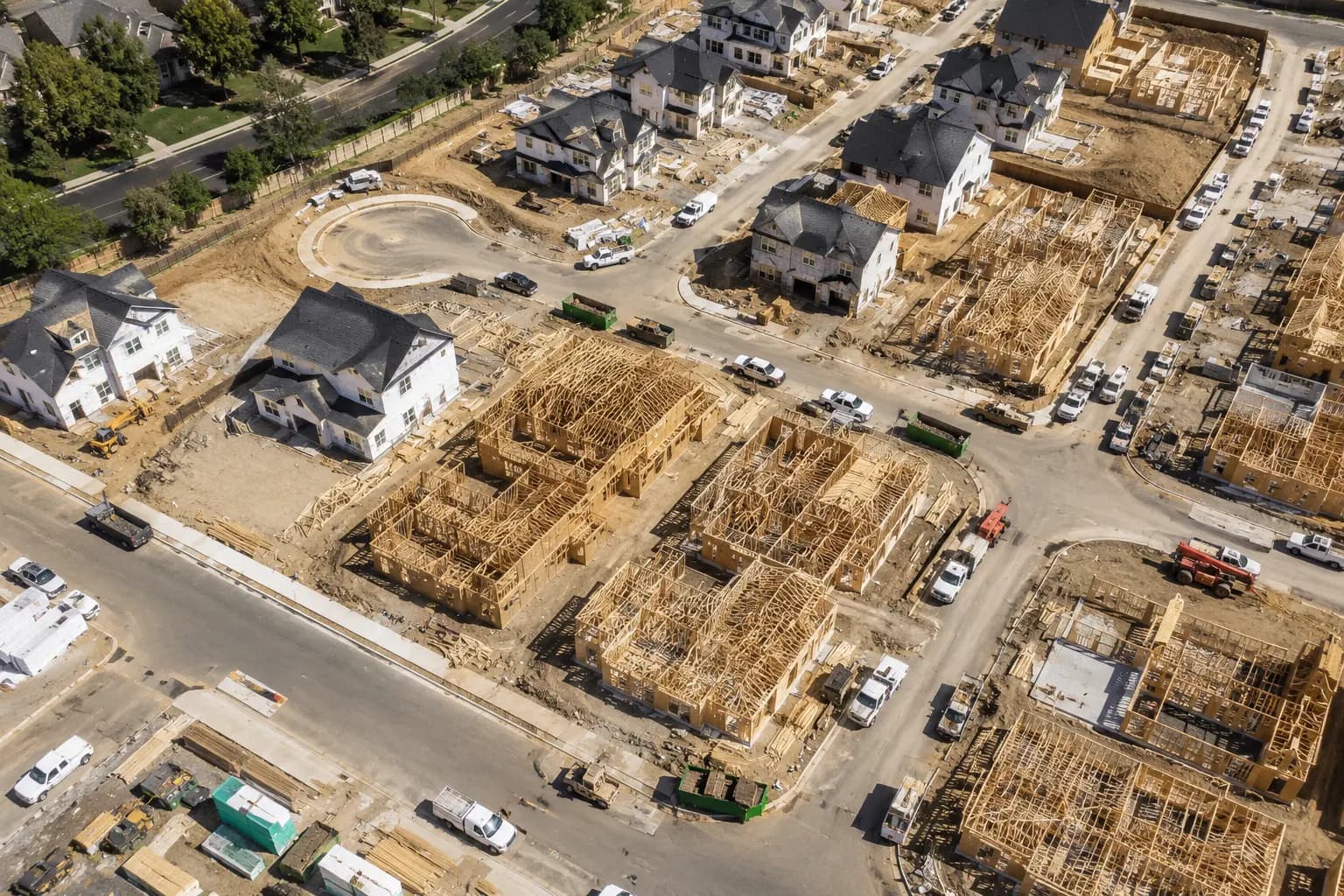
FGIA and WDMA have jointly published AAMA/WDMA 100-26, the first update to the mounting-flange window installation standard since 2012. The new consensus document reframes flanged window installation as a water-management detail integrated with the WRB and drainage plane—with real implications for spec sheets, submittals, and field QA.
A 2012 Standard Finally Gets Rewritten
For 14 years, architects, contractors, and window manufacturers have been working from a mounting-flange installation standard that predated most modern water-resistive barrier (WRB) products, most modern flashing tapes, and most modern energy-code air-barrier requirements. That just changed.
The Fenestration and Glazing Industry Alliance (FGIA) and the Window & Door Manufacturers Association (WDMA) have published the 2026 edition of AAMA/WDMA 100, Standard Practice for the Installation of Windows with Mounting Flanges for Membrane Drainage Systems in New Construction Applications. It is the first in a planned series of installation standards to be jointly published by the two organizations, and the previous edition was last revised in 2012 by AAMA and FMA.
That 14-year gap matters. Membrane drainage wall assemblies, self-adhered flashings, and liquid-applied WRBs have all evolved substantially in that window, and the older document no longer reflected how walls are actually built today.
What the Standard Actually Covers
AAMA/WDMA 100-26 is narrower than a general "install a window" guide. It applies specifically to mounting-flange windows installed in new construction walls with a membrane drainage plane behind the facade. The procedures are designed to allow incidental water entering from superficial cracks—in the cladding, in the window joinery, or in installation joints around the window perimeter—to drain onto the membrane drainage plane and exit to the building exterior.
In other words, the standard treats the window opening as part of a drained wall assembly, not as a standalone product. Key principles addressed include:
- Water management at the window-to-wall interface, with incidental water directed to the drainage plane and safely discharged to the exterior
- Integration between window installation and WRB layers applied over structural sheathing
- Flashing sequencing around the rough opening
- A consensus-based approach to installation practices for new construction
FGIA has been explicit about why this matters at the performance level: window performance ratings generally apply to the product as it leaves the factory, while actual installed performance depends on proper installation and flashing. A window rated to a specific water penetration resistance number on the test wall can still leak on the jobsite if the flashing sequence is wrong.
Practical Implications for Architects and Specifiers
For design teams, AAMA/WDMA 100-26 is the new reference document to cite in Division 08 window specifications and in wall-section details showing sill pans, head flashing, and WRB laps. Expect it to show up in:
- MasterSpec and office master edits for aluminum, vinyl, fiberglass, and clad-wood windows with integral mounting flanges
- Submittal reviews, where contractors will be expected to show installation sequences that align with the 2026 edition rather than the 2012 document
- Envelope commissioning scopes, where third-party consultants use published standards as the benchmark for field mockup inspections and ASTM E1105 water tests
For general contractors and window installers, the update signals that "we've always done it this way" is a weaker defense than it was a month ago. AAMA/WDMA 100-26 is now the consensus document courts, arbitrators, and insurance carriers will point to when a leaking window ends up in a defect claim.
Why the Joint Publication Matters
The procedural story here is almost as important as the technical content. FGIA and WDMA have historically published overlapping and sometimes competing installation guidance. The 2026 edition is the first in a series of installation standards to be jointly published by the two organizations, which reduces the risk of manufacturers being caught between conflicting association documents on the same detail.
For building product manufacturers, that consolidation is useful. Installation instructions that reference a single joint standard are cleaner to write, easier to defend in a warranty dispute, and simpler for third-party certification bodies to audit against.
What to Do Now
The 2026 edition is available for purchase through both the FGIA and WDMA online stores. Design teams updating office masters, envelope consultants revising QA/QC checklists, and manufacturers rewriting installation instructions should pull the document now rather than waiting for the next code cycle. Given the 14-year gap since the last revision, the delta between old and new practice is likely larger than most spec sheets currently reflect.
Expect follow-on standards in the same joint series to land over the next several publication cycles—covering, presumably, flanged windows in other wall types and non-flanged installations. AAMA/WDMA 100-26 is the opening move.